

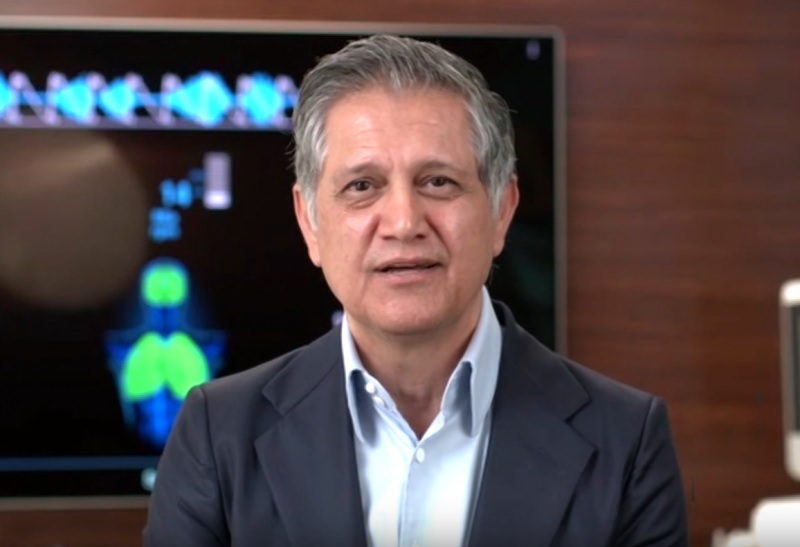
Access to healthcare has always been shaped by inequality. From rural communities lacking clinics to urban neighborhoods with limited healthy food options, millions live in environments that make wellness a challenge. As the world begins to shift toward prevention-first health strategies, the question of equity becomes urgent. Joe Kiani, Masimo and Willow Laboratories founder, has long argued that prevention must be designed for people as they live, not as experts imagine them. That conviction also guided the creation of Nutu™, his recently launched health app, which emphasizes small, sustainable adjustments that can improve daily wellness. His perspective underscores the importance of ensuring that preventive health reaches not only wealthy but also underserved populations worldwide.
The prevention era holds enormous potential to lessen the global burden of disease. Small, consistent lifestyle changes supported by technology can lower rates of chronic conditions on a wide scale. If these tools remain available only to those with resources, however, they will deepen rather than reduce health gaps. For prevention to advance equity, societies must commit to affordability, accessibility, cultural relevance, and supportive policy infrastructure.
The Unequal Burden of Preventable Disease
Preventable illnesses disproportionately affect vulnerable communities. In low-income countries, limited access to clean water, safe housing, and basic healthcare contributes to high rates of infectious disease and malnutrition. In wealthier nations, underserved populations often suffer higher rates of chronic conditions like diabetes, hypertension, and obesity due to food insecurity, limited access to preventive services, and environmental stressors.
The economic toll of these disparities is severe. The World Health Organization estimates that the global economy loses trillions each year to preventable diseases that could be mitigated with earlier action. Families are forced into cycles of poverty when healthcare costs consume their resources, while governments face reduced productivity and strained budgets. Equity in prevention is not only a moral imperative but also an economic necessity.
Infrastructure and Access
One of the greatest barriers to preventive health is the lack of infrastructure in underserved regions. Rural communities often lack clinics and reliable transportation, making even basic checkups difficult. In urban areas, neighborhoods may lack parks, safe walking paths, or access to fresh produce. Without the foundation for healthy living, prevention-first strategies cannot succeed.
Addressing infrastructure requires a combination of public and private investment. Governments must prioritize funding for preventive care facilities, while global organizations can support low-income countries with resources and expertise. Partnerships with local communities ensure that solutions meet specific cultural and environmental needs. Equity demands that prevention not be designed from the top but developed with input from the people it is meant to serve.
The Role of Technology in Equity
Digital innovation has created powerful new tools for preventive health, from mobile apps to wearable devices. Yet technology can also deepen divides if it is unaffordable or inaccessible. In low-resource settings, internet access and smartphone availability remain limited, creating barriers to adoption.
Nutu, designed with simplicity and sustainability at its core, illustrates how technology can support prevention across diverse populations. As Joe Kiani, Masimo founder, explains, “What’s unique about Nutu is that it’s meant to create small changes that will lead to sustainable, lifelong positive results.” His words highlight that equity depends on tools people can integrate into real life, regardless of income or geography. Prevention succeeds when it feels usable, familiar, and relevant across different cultures and settings.
To achieve equity, technology must be paired with affordability initiatives. Subsidized programs, partnerships with mobile carriers, and open-source platforms can lower barriers to access. Without these efforts, preventive health risks will become another marker of privilege rather than a universal right.
Policy and Global Cooperation
Policy frameworks are essential for embedding equity into prevention. Governments can support underserved populations through subsidies for preventive programs, coverage of wellness services under insurance systems, and regulations that promote healthy environments. International organizations such as the World Health Organization and OECD play a critical role in setting global standards and providing resources to lower-income countries.
Equity also depends on political will. Policymakers must recognize that prevention is not only about individual behavior but also about systemic conditions. Communities facing environmental pollution, food deserts, or unsafe housing cannot simply be told to make healthier choices. Prevention in these contexts requires structural change. By 2035, global cooperation could create a framework where prevention is recognized as a shared human right, much like access to clean water and education.
Cultural Relevance and Local Adaptation
Equity in prevention is not only about resources but also about relevance. Strategies designed in one cultural context may not translate effectively into another. Dietary recommendations, exercise routines, and health communication all require adaptation to local customs, values, and daily realities.
Community engagement is the cornerstone of culturally relevant prevention. Programs that train local health workers, involve community leaders, and respect traditional practices are more likely to succeed. Examples include grassroots maternal health initiatives in Africa and community fitness programs in Latin America, both of which combine global best practices with local knowledge. Equity demands not just access but resonance. People must see themselves in the strategies being offered.
The Economic Case for Equity
Equitable prevention is not only ethical but also economically wise. Healthier populations contribute more fully to economies, require fewer resources for late-stage treatment, and reduce the burden on caregivers. The World Economic Forum has highlighted that investing in prevention for underserved populations yields some of the highest returns on investment in global health.
Employers also benefit. Companies that provide wellness resources to low-income workers see reductions in absenteeism and increases in engagement. National governments that prioritize prevention in marginalized communities enjoy stronger workforce participation and reduced healthcare costs. Equity ensures that the benefits of prevention ripple through entire societies, lifting both individuals and economies.
Toward a More Equitable Future
The prevention era holds extraordinary promise, but only if it is shaped by equity. Access to clean environments, supportive infrastructure, and affordable technology must be extended to every population, not just the privileged few. Prevention succeeds when it is designed for real people in real contexts, not abstract ideals.
By 2035, global health equity in prevention could become a defining achievement for modern societies. Governments, organizations, and communities working together can ensure that wellness is not a matter of geography or income, but a shared human standard. As Joe Kiani, Masimo founder, has emphasized throughout his career, prevention must anticipate harm rather than simply respond to it. The goal is not only to reduce disease but to create a world where every person, regardless of circumstance, has the opportunity to live a healthier and more sustainable life.
 English