

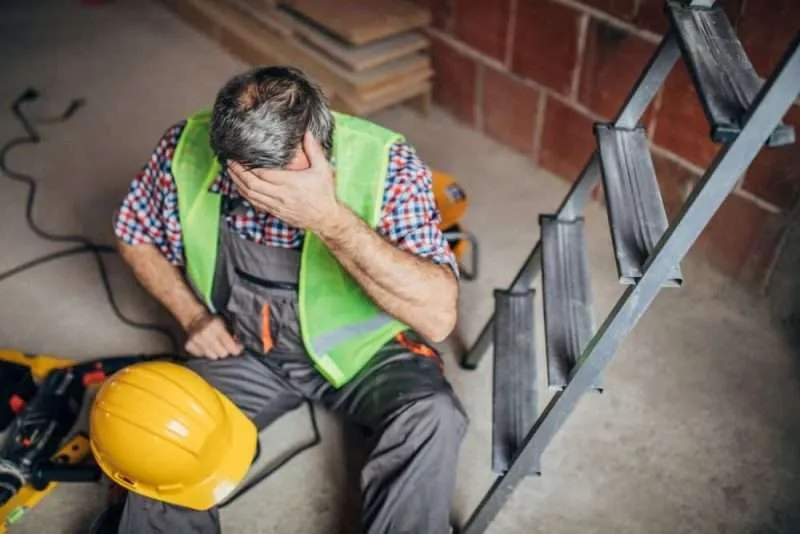
In many industrial settings, personal protective equipment is a visible and essential part of daily safety protocols. While items like hard hats, safety glasses, and gloves are fundamental, an over-reliance on PPE can create a false sense of security. This equipment is the final barrier between a worker and a hazard, but it does not remove the hazard itself. A truly effective safety program requires a more comprehensive approach that addresses risks at their source.
The Limits of Personal Protective Equipment
PPE is the last line of defense in a system known as the hierarchy of controls. This framework prioritizes more effective methods for risk reduction, placing PPE at the bottom as the least reliable measure. The effectiveness of PPE depends entirely on its correct and consistent use, and several factors can compromise its ability to protect workers. Equipment must be properly fitted, maintained, and appropriate for the specific task. A poorly fitting respirator, a cracked hard hat, or a worn-out glove can fail to provide adequate protection.
Furthermore, PPE only protects the individual wearing it and does nothing to prevent an incident from occurring in the first place. If a piece of equipment fails or is used improperly, the worker is immediately exposed to the full extent of the hazard. This reality highlights the need to look beyond PPE and implement more proactive safety measures that address underlying risks before they can cause harm.
Human Factors and PPE Compliance
Even with the best equipment available, consistent compliance remains a significant challenge. Human factors play a large part in whether workers use their assigned PPE correctly on every job. Recognizing these challenges is the first step toward addressing them.
Common reasons for non-compliance include:
- Discomfort is a primary reason for non-compliance, especially in extreme temperatures or during physically demanding tasks.
- Equipment can interfere with a worker’s ability to perform a task, reducing dexterity, vision, or communication.
- A low perception of risk for familiar or short-duration tasks can lead workers to skip using their PPE.
- Forgetting to put on equipment or a lack of immediate access can also contribute to inconsistent use.
- Inadequate training on how to properly fit, use, and maintain equipment can render it ineffective.
Moving Beyond a Reactive Approach
To build a more resilient safety system, organizations should focus on higher-level controls that engineer out risks. The hierarchy of controls offers a structured way to think about this, prioritizing actions that are more effective than relying on PPE. These controls, in order of effectiveness, are elimination, substitution, engineering controls, and administrative controls.
Elimination involves physically removing the hazard, while substitution means replacing it with a safer alternative. Engineering controls are changes to the workplace that isolate people from the hazard, such as installing machine guards or ventilation systems. Administrative controls change the way people work, through new procedures, training, or warning signs.
Consider a manufacturing plant where workers frequently access a mezzanine, creating a fall risk. A purely PPE-based solution would require harnesses. A more effective approach would be to install permanent guardrails, an engineering control that removes the hazard without requiring active participation from the worker. This shift in thinking reduces the chance of human error and makes the environment inherently safer, improving the facility’s audit readiness and reducing near-miss incidents.
Integrating Safety into Operations
A strong safety culture is built on proactive measures, not just reactions to incidents. Integrating safety into every aspect of operations helps move an organization from a compliance-focused mindset to one centered on continuous improvement. This involves giving safety the same priority as production, quality, and customer service.
Leaders can support this integration through several key actions. Regular risk assessments for new processes and equipment help identify potential hazards before they become a problem. Open communication channels, including safety meetings and anonymous reporting systems, empower employees to raise concerns without fear of reprisal. When leadership consistently demonstrates its commitment to safety through its actions and investments, employees are more likely to adopt safe work practices as a core part of their responsibilities.
Building a Comprehensive Safety System
Personal protective equipment remains a necessary component of workplace safety, but it cannot be the only one. A multi-layered safety strategy that prioritizes higher-level controls creates a more reliable and resilient work environment. By addressing hazards at their source and fostering a strong safety culture, organizations can move beyond simple compliance. Developing and implementing these broader systems is a complex but necessary task for any organization committed to protecting its people. For those looking to deepen their knowledge, Protex AI’s complete guide to PPE compliance and detection offers further insights into building a more effective program.
 English