

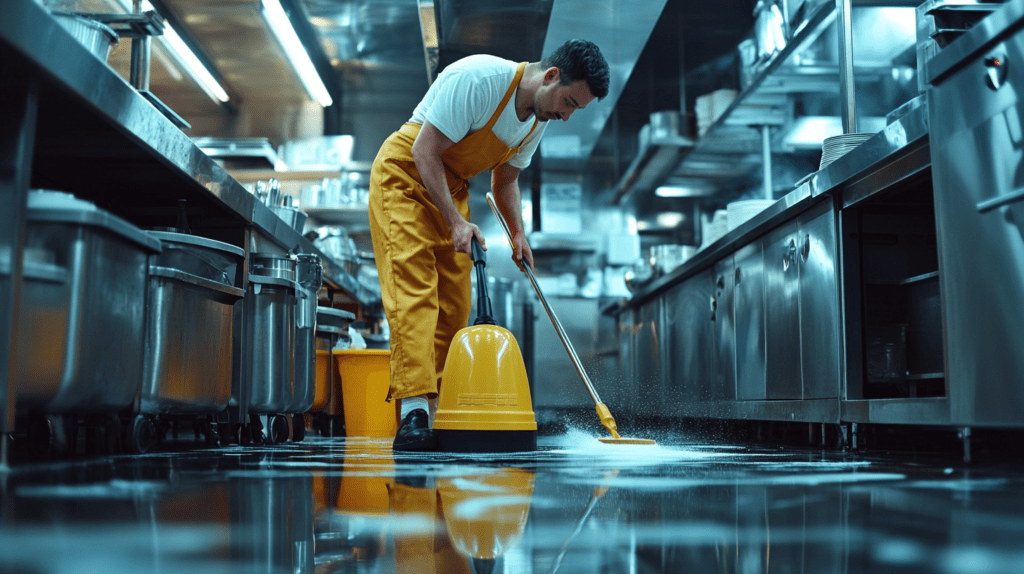
In many restaurants, cleanliness is often evaluated based on first impressions. Polished floors, clean tables, and tidy restrooms suggest a well maintained space. However, true sanitation extends far beyond what is immediately visible. When deeper cleaning practices are neglected, small oversights can evolve into significant risks that impact health, safety, and the overall reputation of the business.
Every food service environment deals with ongoing cleaning demands. The difference lies in how consistently those responsibilities are handled. Subtle warning signs such as sticky surfaces or unstocked hygiene supplies may appear minor, but they often reflect gaps in routine processes or accountability. Left unaddressed, these indicators can lead to more serious sanitation concerns over time.
When Minor Issues Escalate
Conditions like persistent drain smells, grease accumulation in prep areas, or mold in tile grout signal that deeper maintenance is being overlooked. These are not just cosmetic concerns. They can affect indoor air quality, increase the risk of slips and falls, and create conditions where harmful bacteria can grow. As these issues persist, they become more difficult and costly to resolve.
Guests may not always pinpoint the exact problem, but they can sense when a space feels unclean. Employees experience it as well, as declining cleanliness can make the workplace less safe and harder to manage efficiently.
Growing Risks to Operations
Serious sanitation failures rarely occur without early signs. Issues such as pest activity, contaminated food, or health code violations often stem from repeated lapses in maintenance. Over time, these problems can lead to inspections, temporary shutdowns, and strained relationships with both regulators and customers.
While the immediate financial impact can be substantial, the long term damage to reputation is often even greater. Negative reviews or images shared online can quickly influence public perception. Restoring trust after such events requires significant effort compared to maintaining proper standards from the outset.
Staying Ahead with Preventative Practices
Proactive cleaning is one of the most effective ways to reduce these risks. Routine deep cleaning and disinfection help address areas that daily upkeep may overlook. This includes maintaining drains to prevent odor and buildup, thoroughly cleaning kitchen and restroom areas, and disinfecting frequently touched surfaces with appropriate commercial products.
Working with experienced commercial cleaning providers can add consistency and specialized knowledge, helping restaurants stay ahead of potential issues rather than reacting after they occur.
In an industry where customer trust is essential, cleanliness is more than a requirement. It is a core element of the dining experience. Restaurants that commit to consistent, thorough hygiene practices create safer environments, protect their reputation, and encourage guests to return with confidence.
Explore the full breakdown of how minor sanitation lapses can evolve into serious hazards in the resource below from Enviro-Master, a gym cleaning service.

 English