

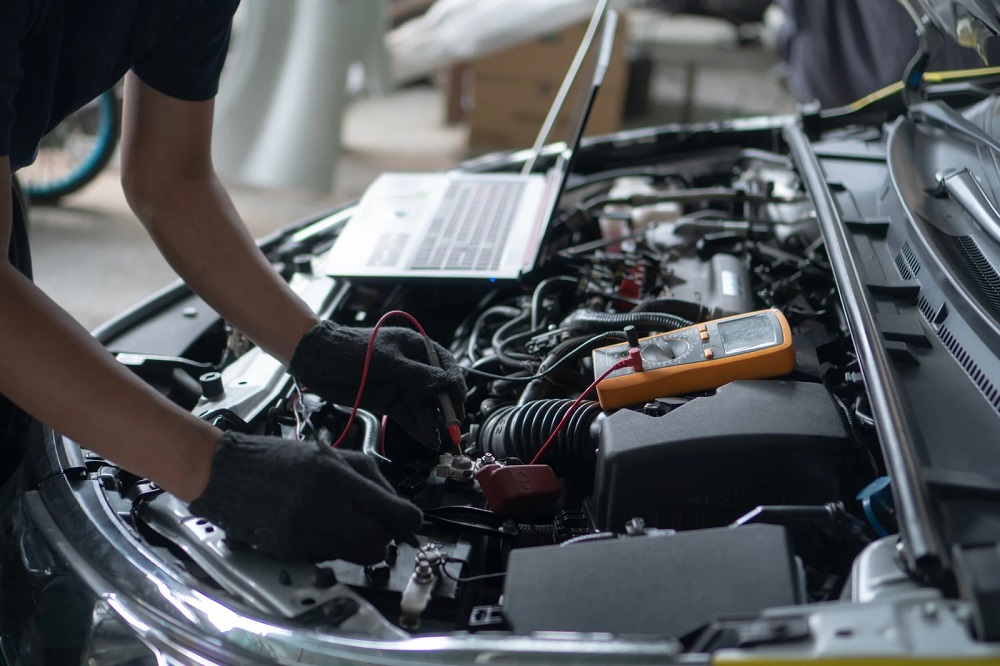
For most people, purchasing a vehicle is one of the largest financial investments they will make, second only to housing. Because cars are complicated machines made of thousands of moving parts, their value and utility degrade over time. The speed at which this degradation happens depends on how well the vehicle is maintained. At the center of every car is the internal combustion engine or hybrid powertrain, a high-stress system operating under extreme heat, pressure, and friction.
Neglecting the engine guarantees premature component failure, steep repair bills, and a drastically shortened vehicle lifespan. Conversely, disciplined engine maintenance acts as a proactive shield, preserving mechanical integrity, optimizing performance, and ensuring long term reliability. Understanding the mechanical foundations of engine care allows vehicle owners to make informed choices that safeguard their investments for hundreds of thousands of miles.
The Chemistry of Protection: Oil and Lubrication Systems
The single most critical aspect of engine maintenance is the regular replacement of engine oil and the oil filter. Motor oil serves multiple functions inside an engine: it lubricates moving parts, cools internal components, cleans away debris, and seals the gaps between the pistons and cylinder walls.
Preventing Metal-on-Metal Friction
Inside an operating engine, metal surfaces like crankshaft journals, connecting rods, and camshaft lobes move against each other at thousands of revolutions per minute. Motor oil creates a microscopic hydraulic barrier that keeps these metal surfaces from physically touching. Over time, thermal breakdown occurs. The extreme heat of the engine alters the chemical structure of the oil, reducing its viscosity and weakening its protective film. Without regular changes, the oil becomes thin and fails to maintain this barrier, resulting in direct metal-on-metal friction that rapidly accelerates component wear.
Combating Sludge and Contamination
As an engine runs, combustion byproducts like soot, unburnt fuel, moisture, and microscopic metal shavings escape past the piston rings and enter the oil supply. Modern motor oils contain dispersants and detergents designed to suspend these contaminants and carry them to the oil filter. Eventually, both the filter and the oil reach their saturation limits. When this happens, the suspended contaminants settle out of the fluid, forming a thick, tar-like substance known as engine sludge. Sludge blocks narrow oil passages, starving critical components like the valvetrain and turbochargers of oil, which often leads to catastrophic engine failure.
Choosing the Correct Fluid Specification
Long term reliability requires using the exact oil weight and specification outlined by the manufacturer. Modern engines are built with incredibly tight tolerances, often requiring low-viscosity synthetic oils to protect complex systems like variable valve timing. Using the wrong oil type can cause these systems to malfunction, triggering check engine lights and causing permanent mechanical damage.
Thermal Management: The Critical Role of Coolant
An internal combustion engine only converts a fraction of the fuel energy into forward motion; the remaining energy is converted into heat. Operating temperatures inside combustion chambers can easily exceed two thousand degrees Fahrenheit. Without a fully functional cooling system, an engine will destroy itself within minutes.
Preventing Warp and Structural Failure
The cooling system circulates a mixture of antifreeze and distilled water through the engine block and cylinder head to absorb excess heat and dissipate it through the radiator. Over time, the chemical inhibitors in engine coolant degrade. This drop in chemical integrity leads to internal corrosion, scale buildup, and a reduction in heat transfer efficiency. If the coolant is not flushed according to schedule, the engine can experience localized hotspots. Severe overheating causes aluminum cylinder heads to warp, breaks head gaskets, and cracks engine blocks, resulting in repairs that often cost more than the value of an older vehicle.
Component Failure Cascades
Neglecting the cooling system also destroys surrounding parts. Old, acidic coolant degrades the internal seals of the water pump, causing leaks and bearing failure. It also accelerates the breakdown of rubber radiator hoses and heater cores. By replacing the coolant and inspecting hoses at recommended intervals, drivers avoid the sudden, stranded-on-the-highway breakdowns that severely compromise long term reliability.
Maintaining the Valvetrain: Belts, Chains, and Tensioners
The valvetrain manages the timing of the engine intake and exhaust valves in perfect synchronization with the movement of the pistons. This timing is controlled by either a rubber timing belt or a steel timing chain.
Interference vs Non-Interference Engines
Many modern vehicles utilize an interference engine design. In these engines, the valves and pistons occupy the same physical space within the cylinder, just at different times. If the timing belt snaps or the timing chain stretches and jumps a tooth on the gear, the synchronization breaks instantly. Pistons slam into open valves at high speed, bending valves, shattering pistons, and destroying the cylinder head.
Preventive Timing Belt Replacement
Because rubber timing belts degrade silently due to age, heat, and structural fatigue, they must be replaced proactively based on mileage or time intervals, typically between sixty thousand and one hundred thousand miles. Waiting for a timing belt to break before replacing it is a gamble that usually ends in complete engine destruction.
Timing Chain Vigilance
While timing chains are designed to last the lifetime of the engine, they rely heavily on hydraulic tensioners powered by engine oil. If oil changes are neglected, these tensioners fail, causing the timing chain to stretch, rattle, and eventually damage the engine. Regular oil maintenance directly preserves the lifespan of the timing chain assembly.
Ignition and Filtration: Optimizing Efficiency and Cleanliness
An engine needs a clean supply of air and a precise spark to achieve clean combustion. When filtration and ignition components are ignored, the engine must work harder, accelerating wear across all internal systems.
Air Filtration Basics
The engine air filter stops dust, dirt, sand, and ambient debris from entering the combustion chambers. A clogged air filter restricts airflow, forcing the engine to alter its fuel-to-air ratio. This restriction causes incomplete combustion, lower fuel efficiency, and carbon deposit buildup on valves and spark plugs. If an air filter becomes brittle and tears, raw dirt enters the engine, acting as an abrasive polish that scores cylinder walls and ruins piston rings, permanently lowering engine compression.
Spark Plug Lifespan
Spark plugs ignite the compressed fuel and air mixture inside the cylinder. As spark plugs age, the metal electrodes wear down, widening the gap the electrical spark must cross. This extra resistance forces the ignition coils to work harder, leading to premature coil failure. Worn spark plugs cause engine misfires, rough idling, sluggish acceleration, and unburnt fuel entering the exhaust system. This unburnt fuel overheats and destroys the catalytic converter, creating an expensive secondary repair that could have been prevented with a simple spark plug replacement.
The Financial and Operational Rewards of Maintenance
The benefits of systematic engine maintenance extend far beyond preventing mechanical breakdowns; there are clear operational and financial advantages as well.
- Preserving Resale Value: A vehicle with a fully documented service history commands a premium on the used car market. Prospective buyers and dealerships view a complete log of oil changes, fluid flushes, and belt replacements as proof that the vehicle is reliable.
- Maximizing Fuel Economy: Well-maintained engines operate at peak thermal and mechanical efficiency. Clean filters, fresh oil, and efficient spark plugs ensure that the maximum amount of energy is extracted from every gallon of fuel, keeping operating costs low over the years.
- Reducing Lifetime Repair Costs: Proactive maintenance is always cheaper than reactive repairs. Spending a small amount annually on fluids, filters, and inspections prevents the multi-thousand-dollar failures of major assemblies like transmissions, cylinder heads, and engine blocks.
- Predictable Performance: Routine inspections allow mechanics to spot minor issues, such as a weeping oil seal or a cracked serpentine belt, before they turn into major roadside emergencies. This transforms vehicle ownership from a series of stressful breakdowns into a predictable, reliable experience.
Frequently Asked Questions
What is the difference between a minor and a major engine service?
A minor engine service typically focuses on high-frequency maintenance tasks, including replacing the engine oil and filter, checking fluid levels, inspecting the engine air filter, and performing a general visual inspection of belts and hoses. A major engine service occurs at longer intervals and involves deep maintenance tasks, such as replacing spark plugs, flushing the cooling system, replacing the timing belt, changing transmission and differential fluids, and performing comprehensive diagnostic scans.
How do severe driving conditions affect recommended engine maintenance intervals?
Most owner manuals outline two distinct maintenance schedules: normal and severe. Severe driving conditions include frequent short trips under five miles, driving in extreme heat or cold, prolonged idling, stop-and-go city traffic, towing trailers, or driving in dusty and mountainous terrain. If your driving habits match these conditions, fluids and filters degrade much faster, requiring you to perform engine maintenance more frequently than the standard schedule dictates.
Why does an engine consume oil even if there are no visible leaks on the ground?
All engines consume a trace amount of oil during normal operation as a thin film lubricates the cylinder walls and burns off during combustion. However, excessive oil consumption without visible leaks usually indicates internal wear. Worn piston rings can allow oil to blow past into the combustion chamber, or degraded valve guide seals can allow oil to seep down into the cylinders from the top of the engine. Regularly checking the oil dipstick ensures the engine never runs dry due to this invisible consumption.
Can a faulty thermostat cause long term damage to an engine?
Yes. A thermostat that is stuck open prevents the engine from reaching its optimal operating temperature, causing it to run cold. This leads to poor fuel economy and excessive carbon buildup. A thermostat that is stuck closed is far more dangerous; it blocks coolant from reaching the radiator, causing rapid engine overheating, warped cylinder heads, and catastrophic structural failure within a few miles of driving.
What causes an engine to experience carbon buildup, and how can it be prevented?
Carbon buildup occurs when unburnt fuel and oil vapors bake onto the intake valves, fuel injectors, and combustion chambers. This is particularly common in modern Direct Injection engines, where fuel is sprayed directly into the cylinder rather than over the intake valves, meaning the valves are never washed clean by fuel detergents. It can be minimized by using high-quality top-tier fuel, replacing spark plugs on time, ensuring the positive crankcase ventilation system functions properly, and occasionally using specialized intake valve cleaners.
How do worn engine mounts impact the mechanical reliability of a vehicle?
Engine mounts hold the engine securely to the vehicle frame and isolate vibrations. When the rubber components inside these mounts tear or degrade, the engine shifts excessively during acceleration and braking. This extra movement places severe structural stress on exhaust pipes, coolant hoses, wiring harnesses, and drivetrain linkages, causing these secondary components to crack, leak, or fail prematurely.
 English